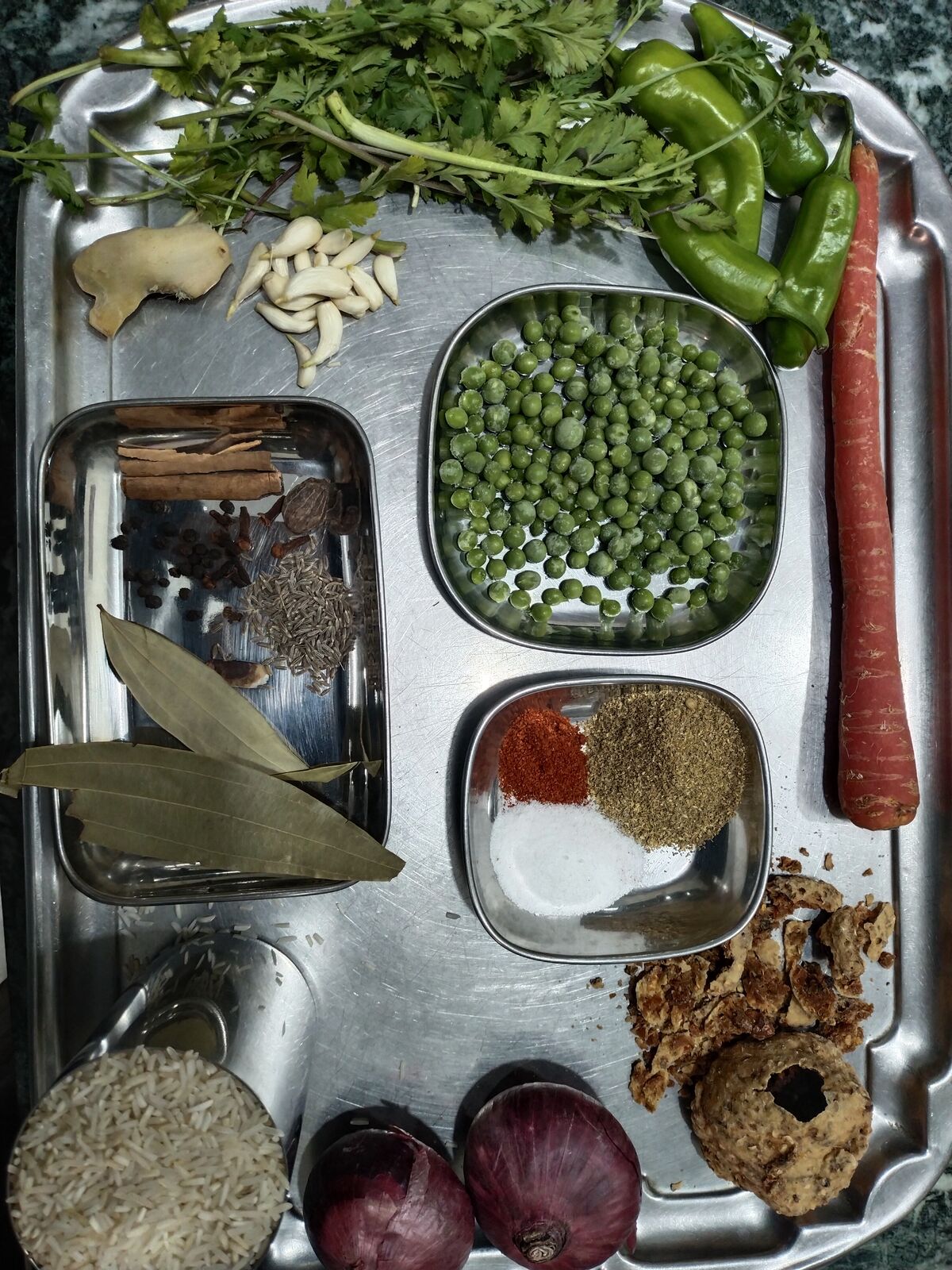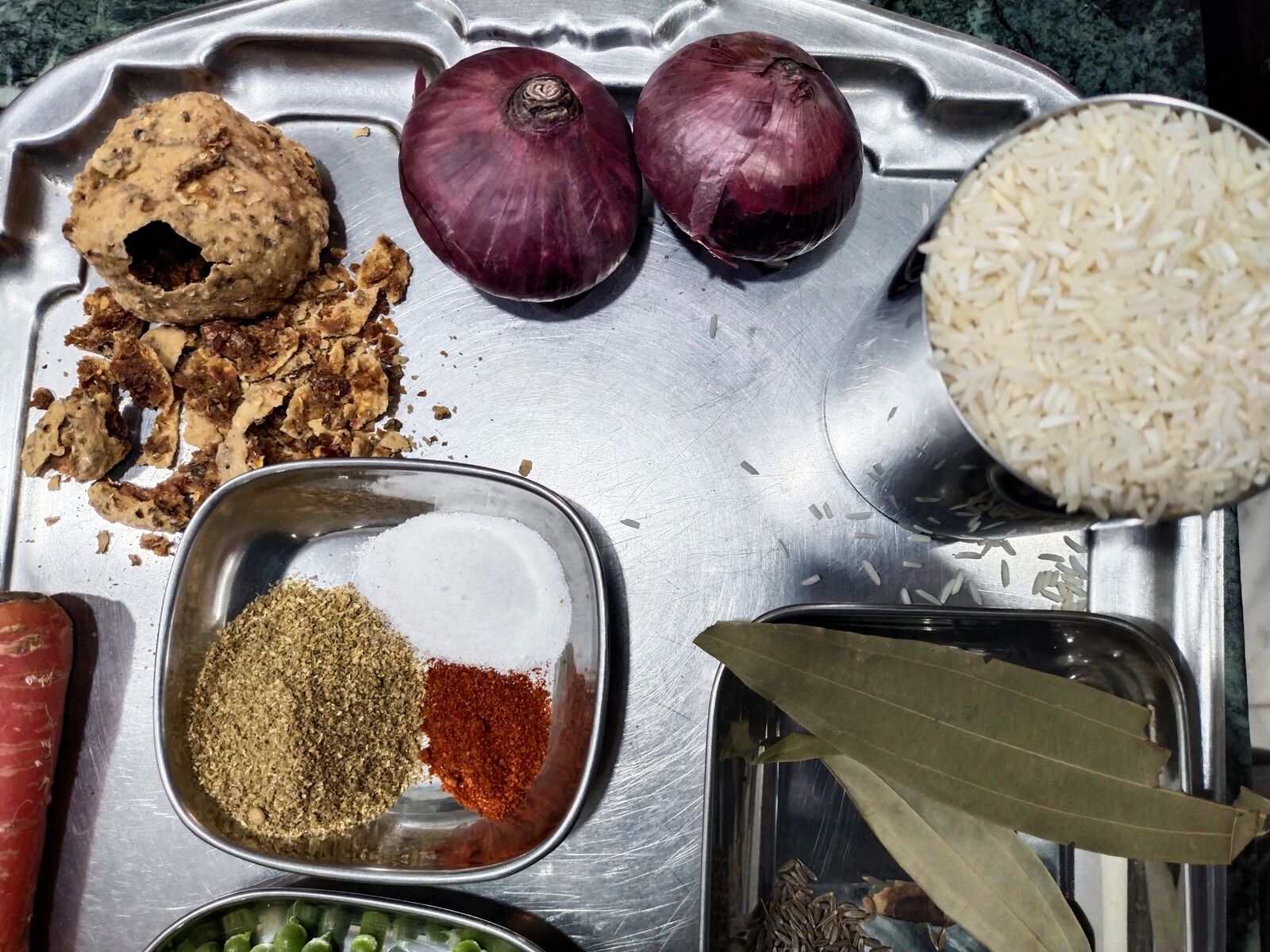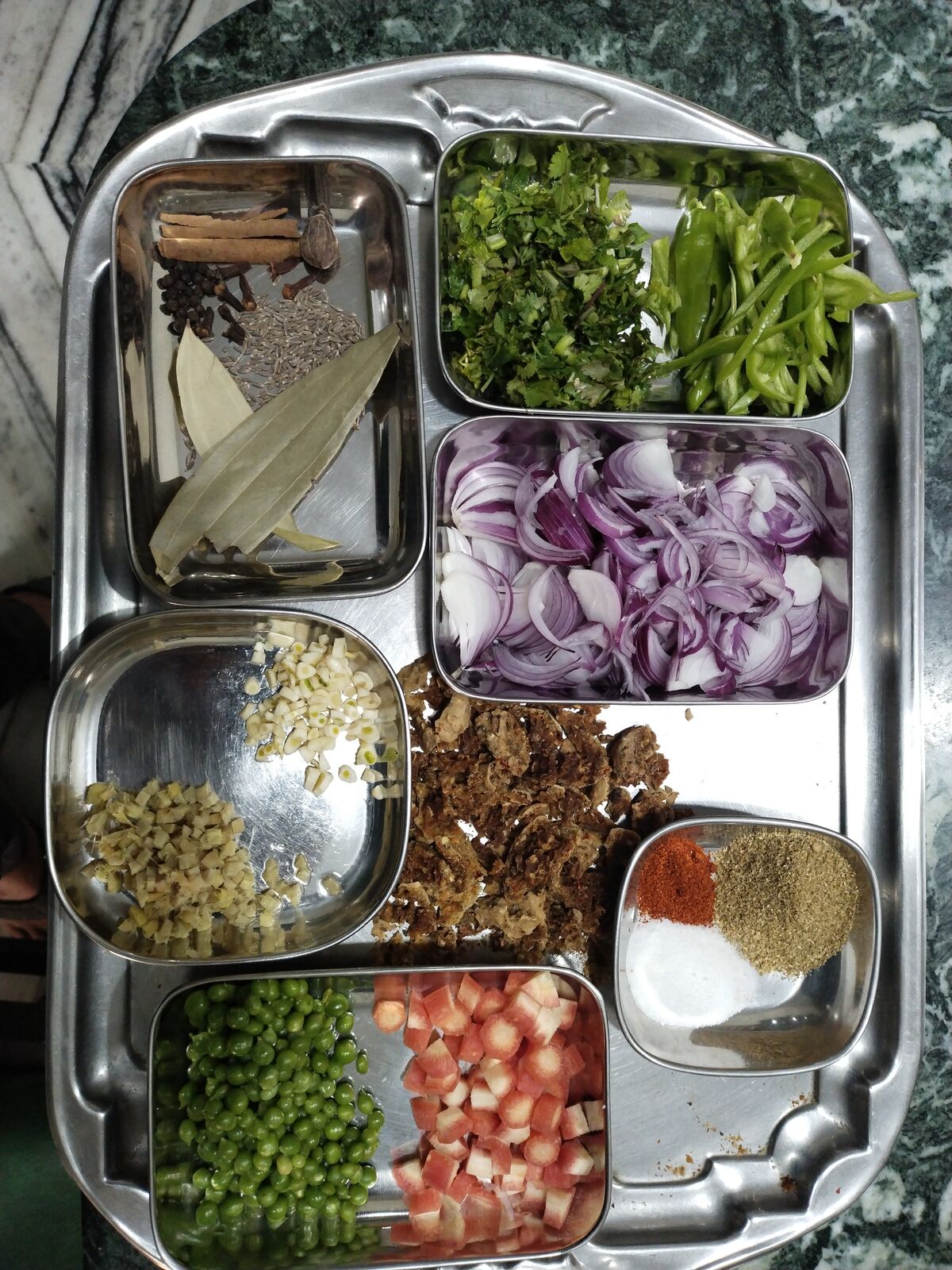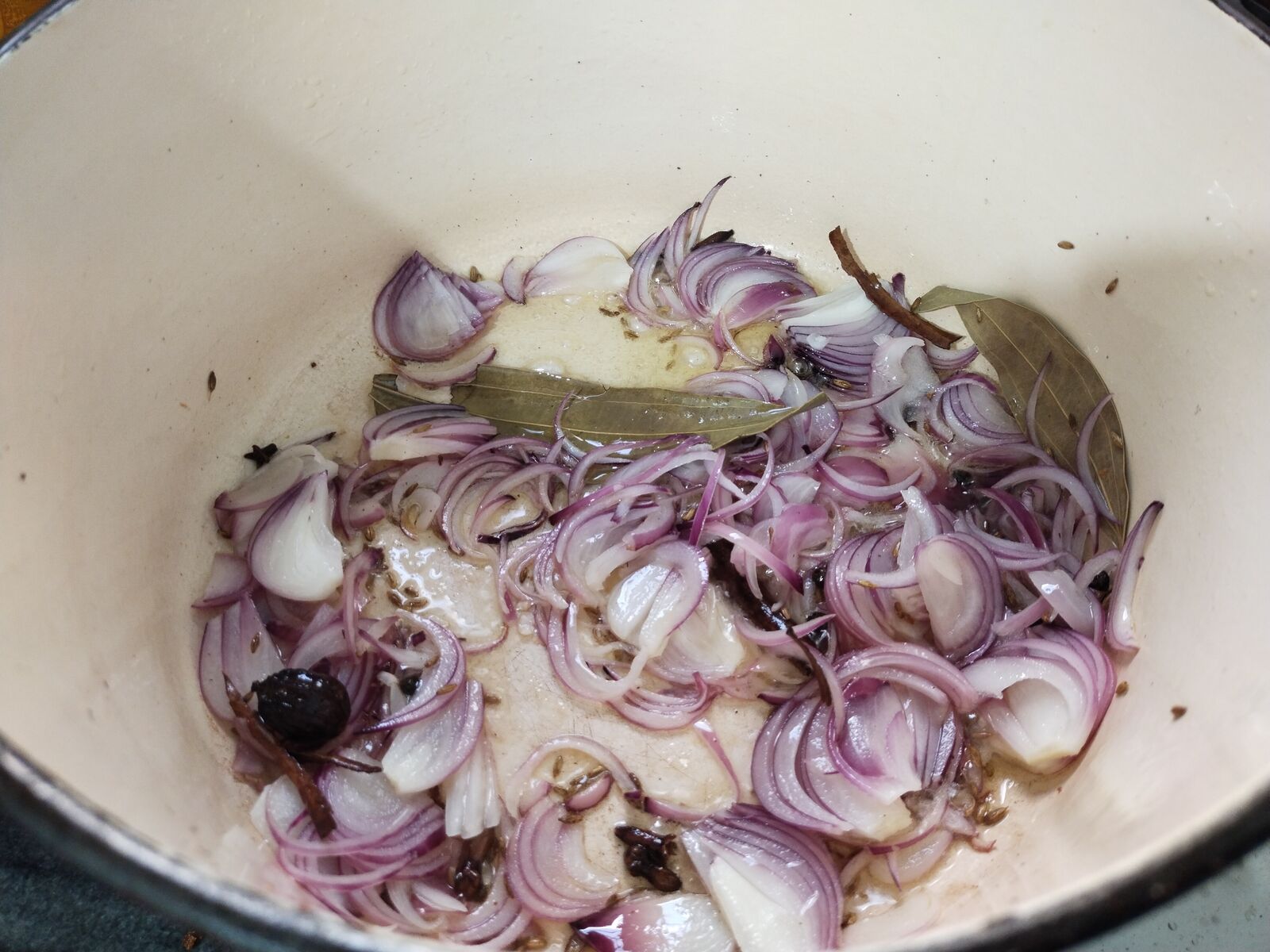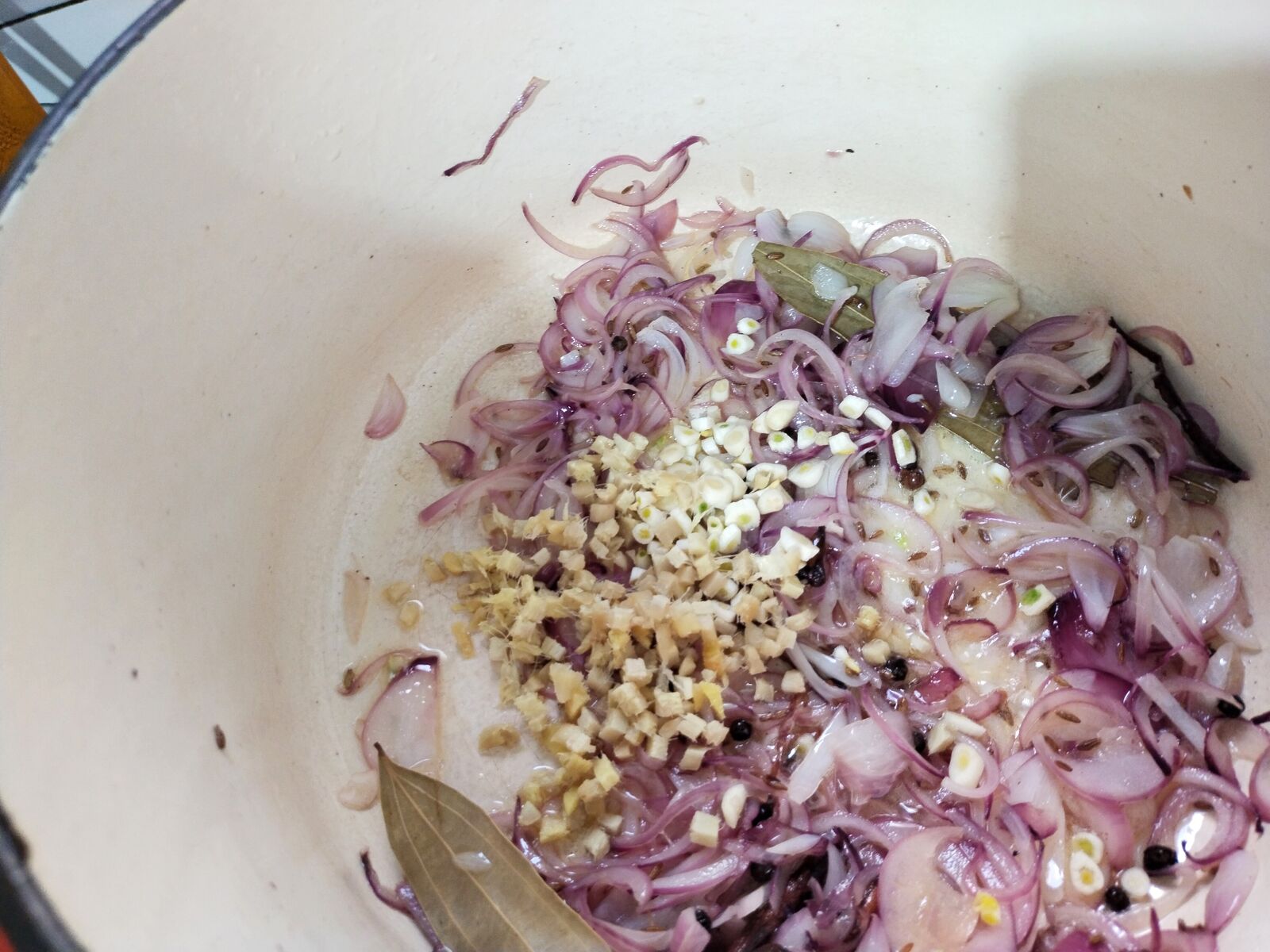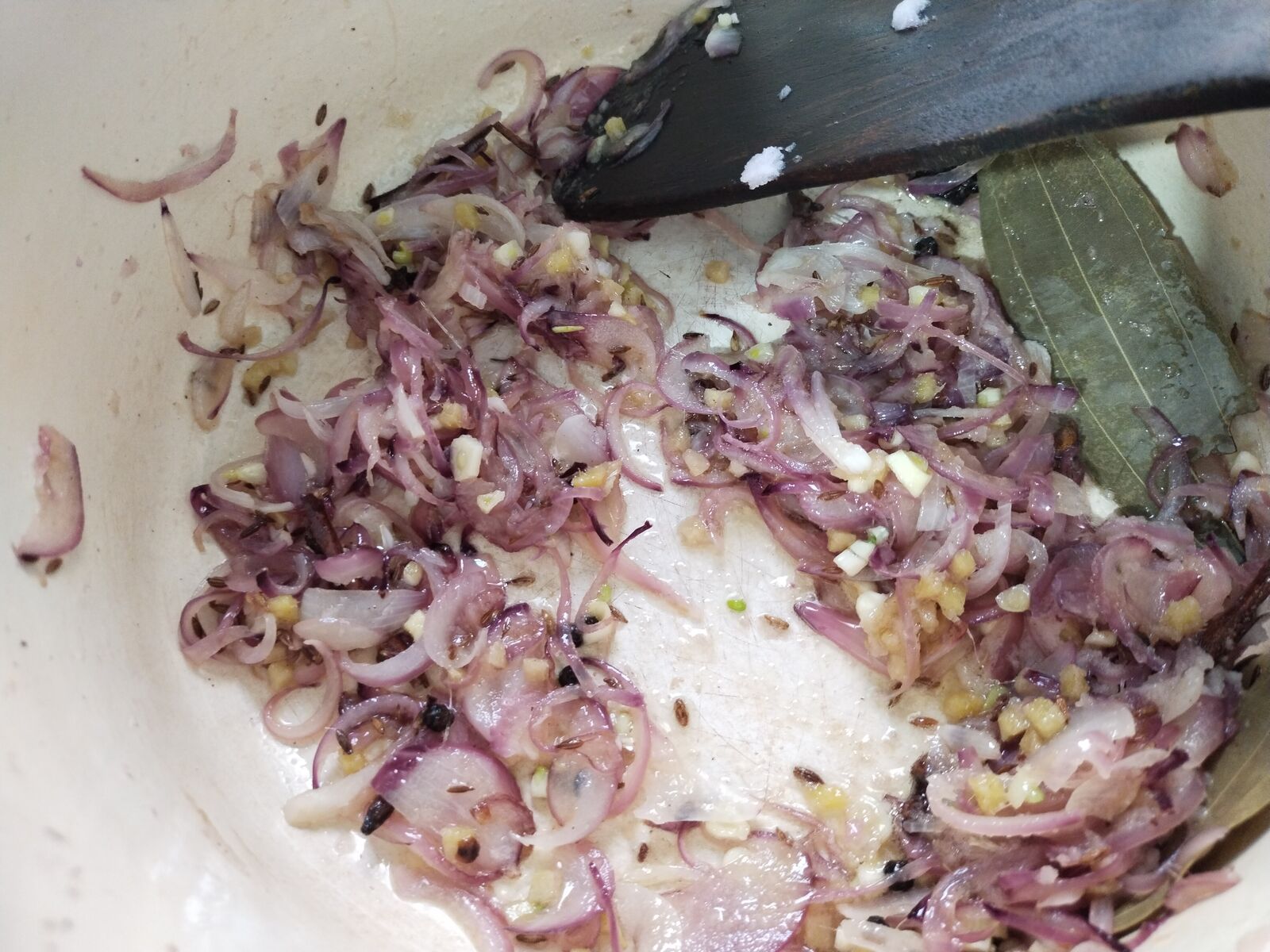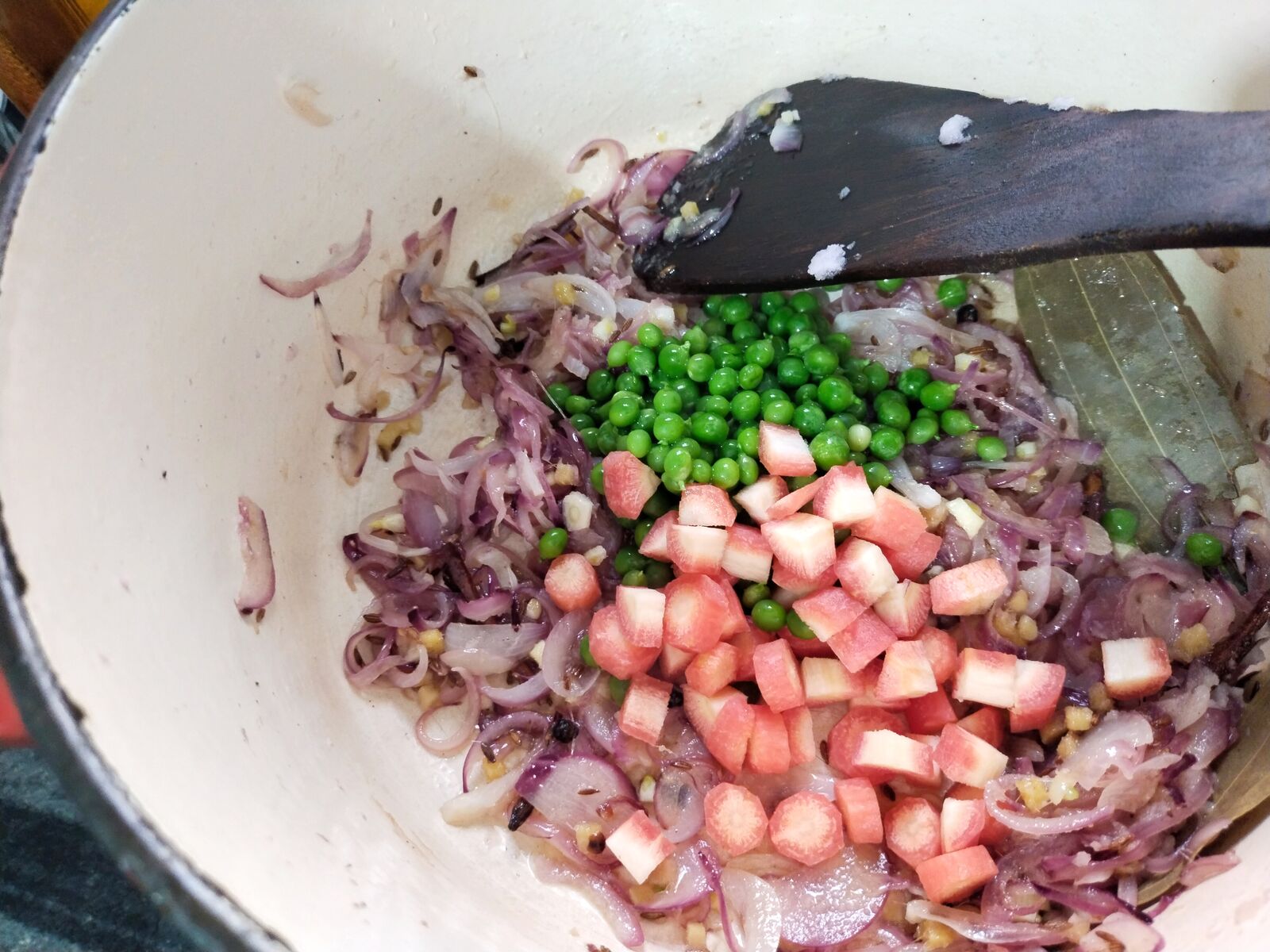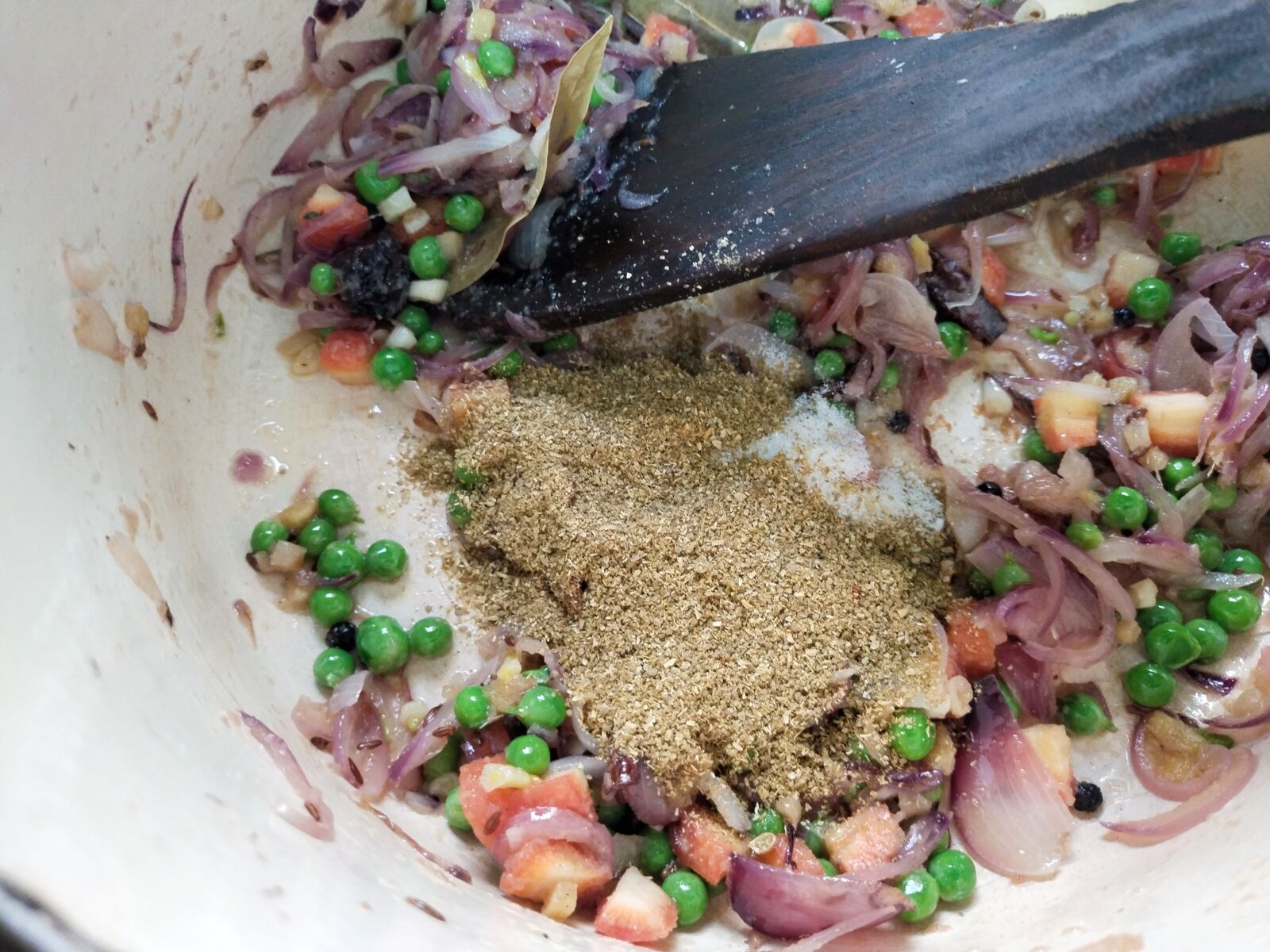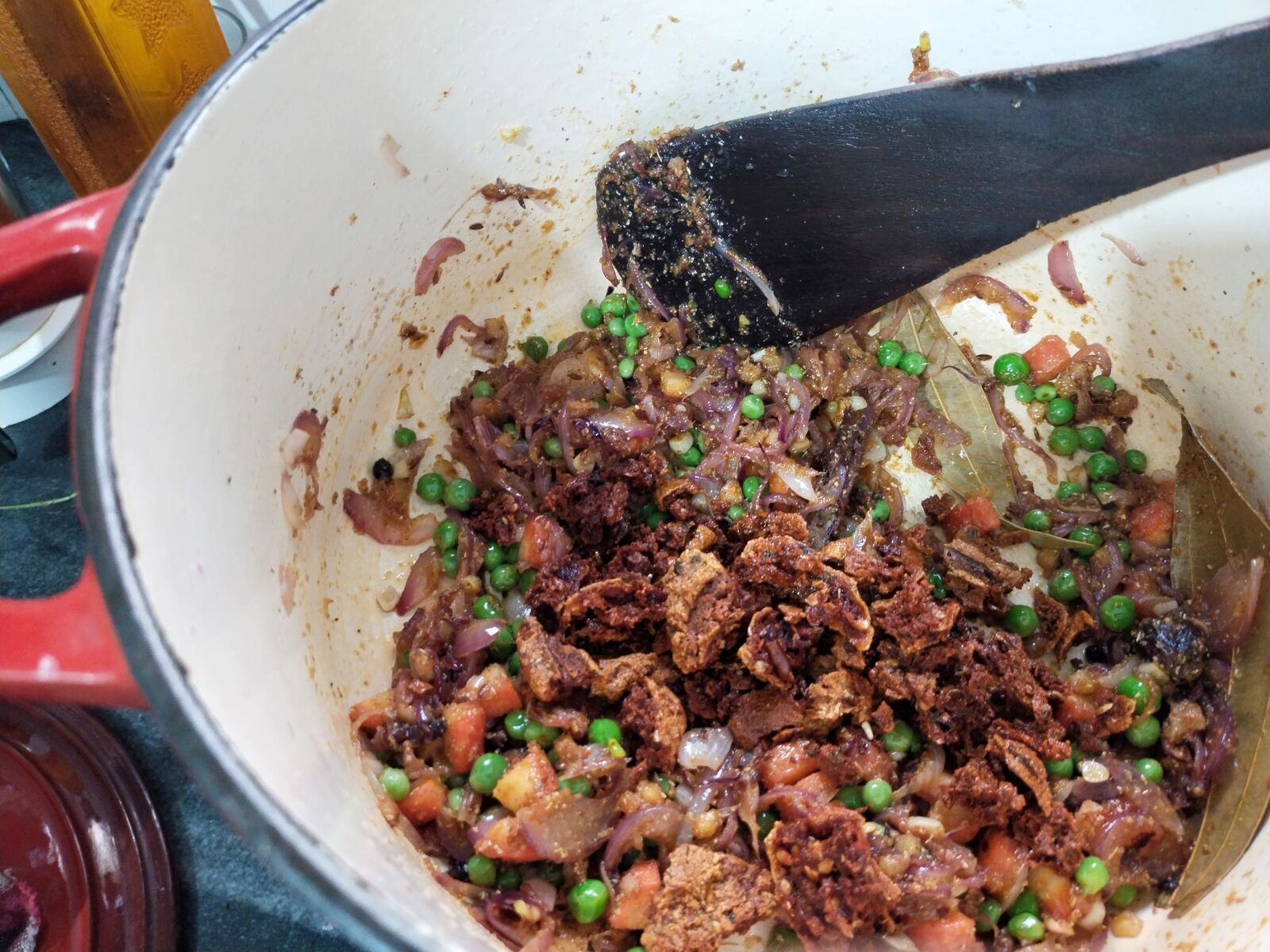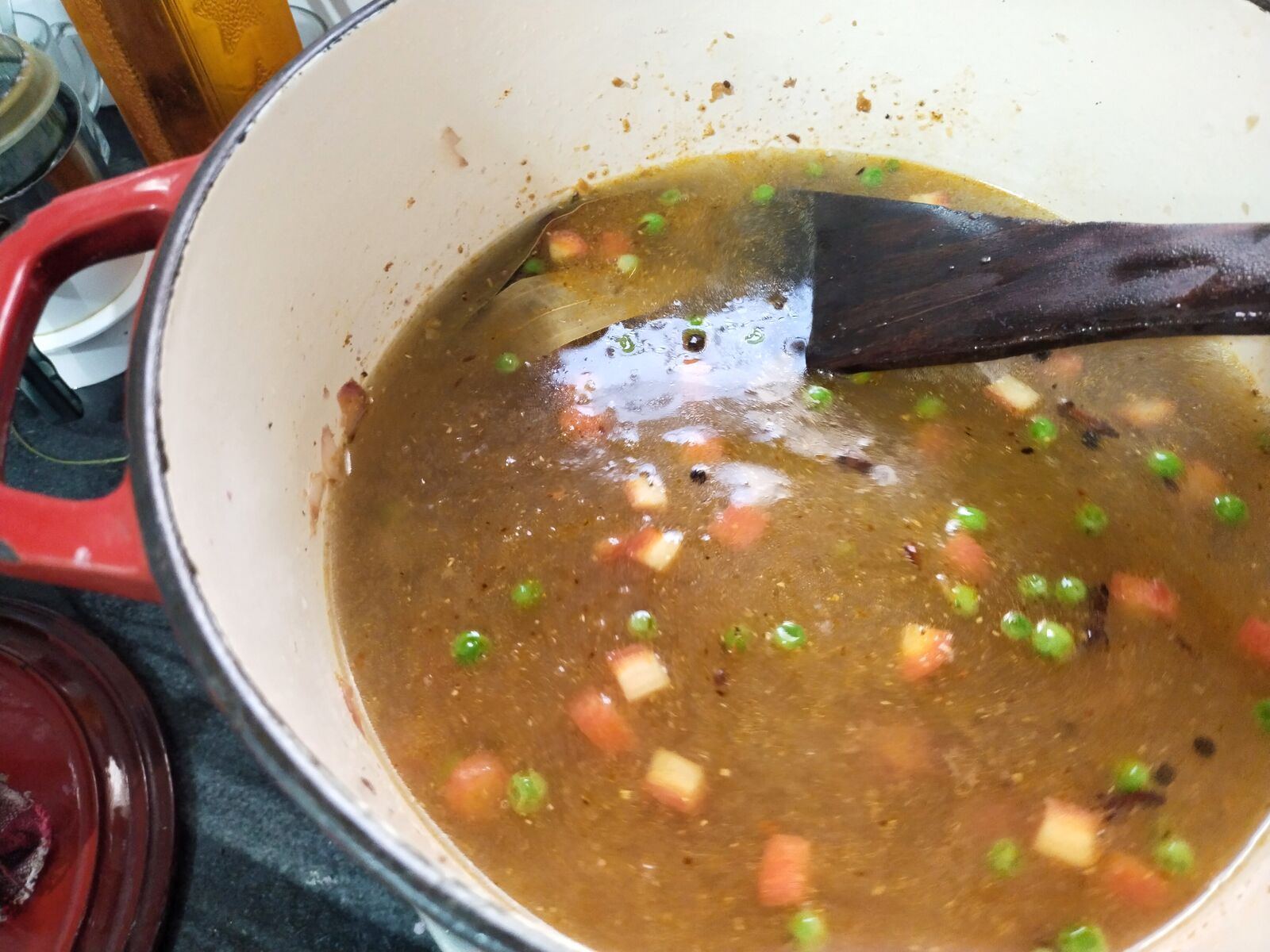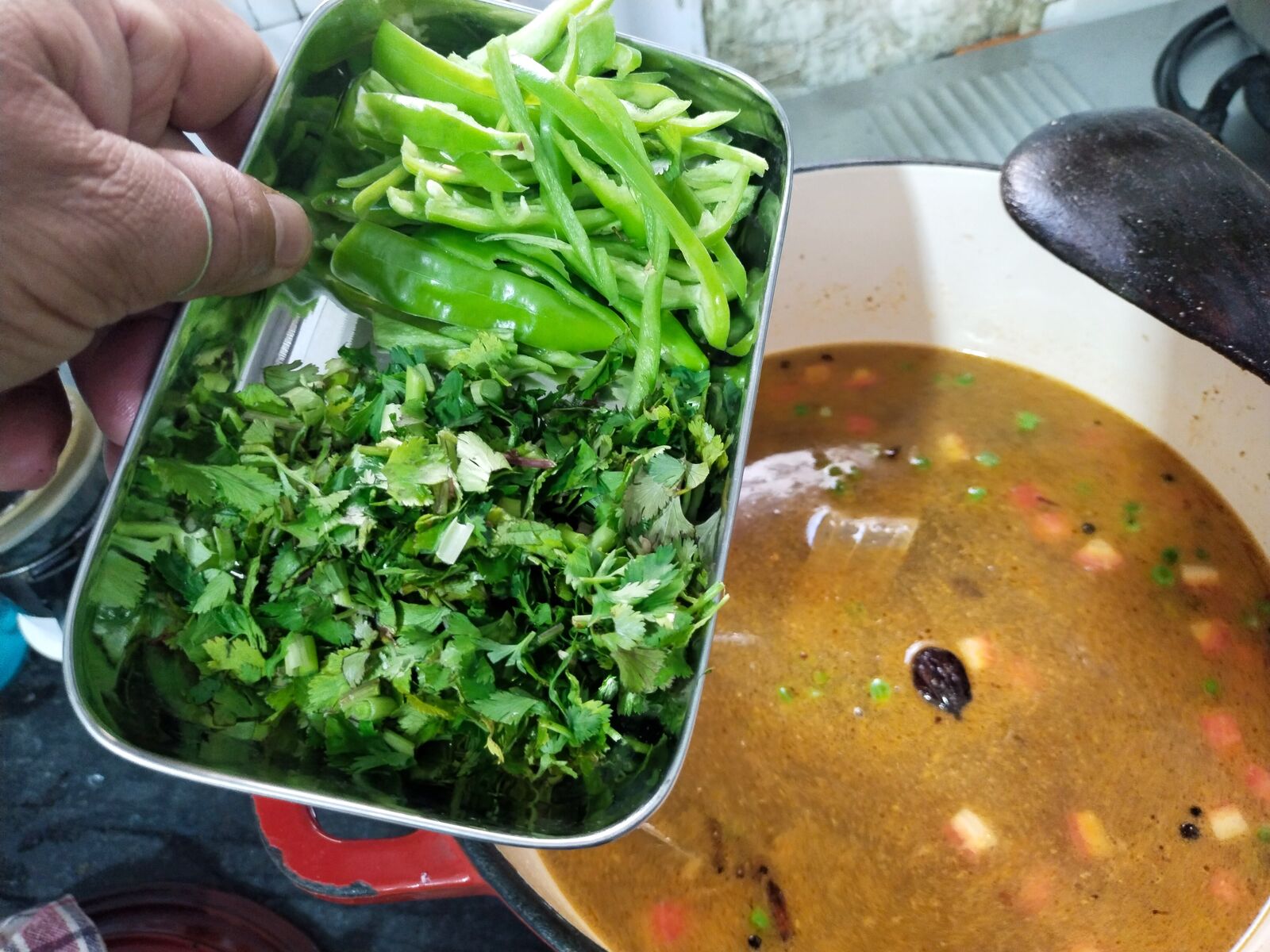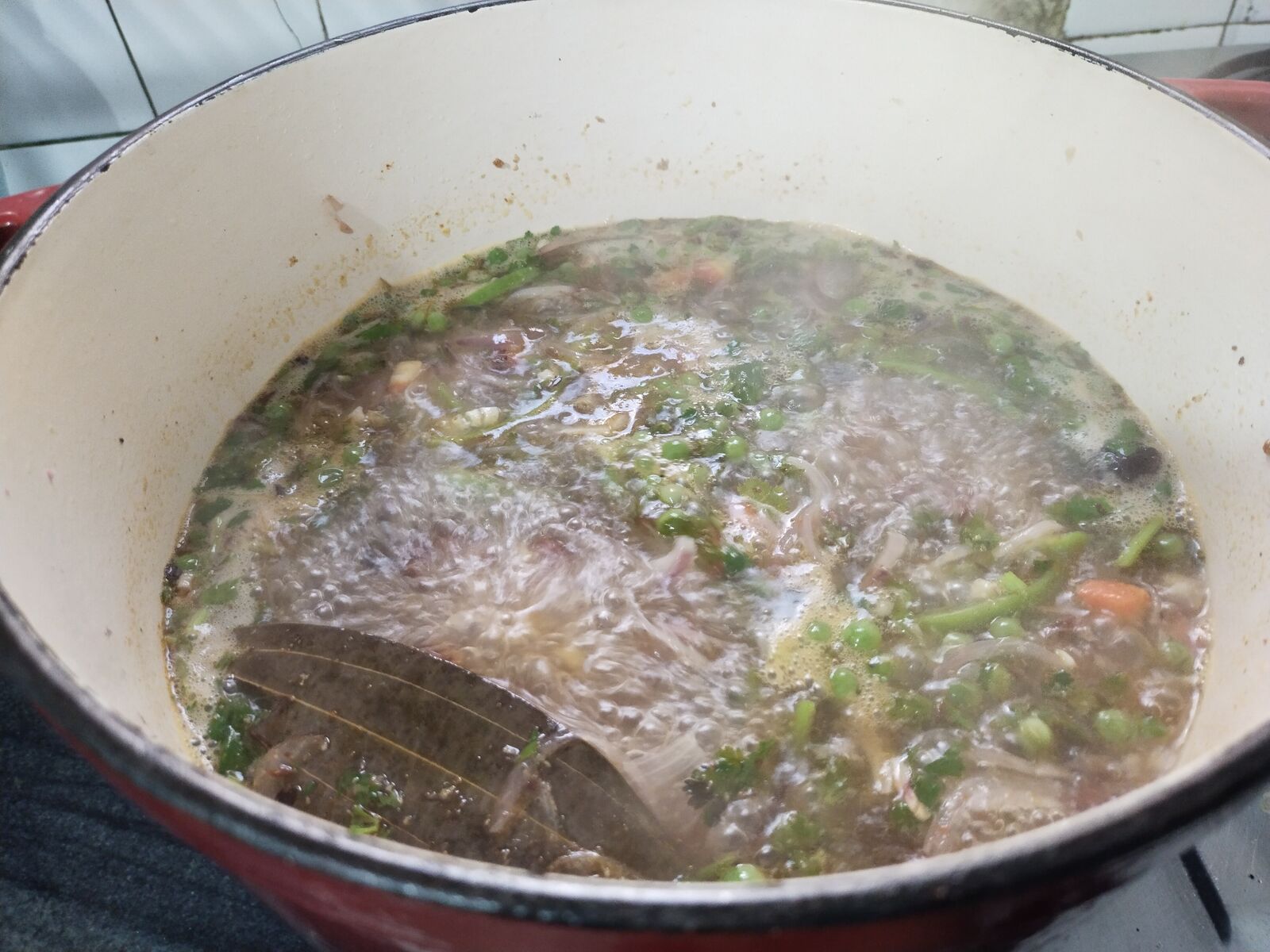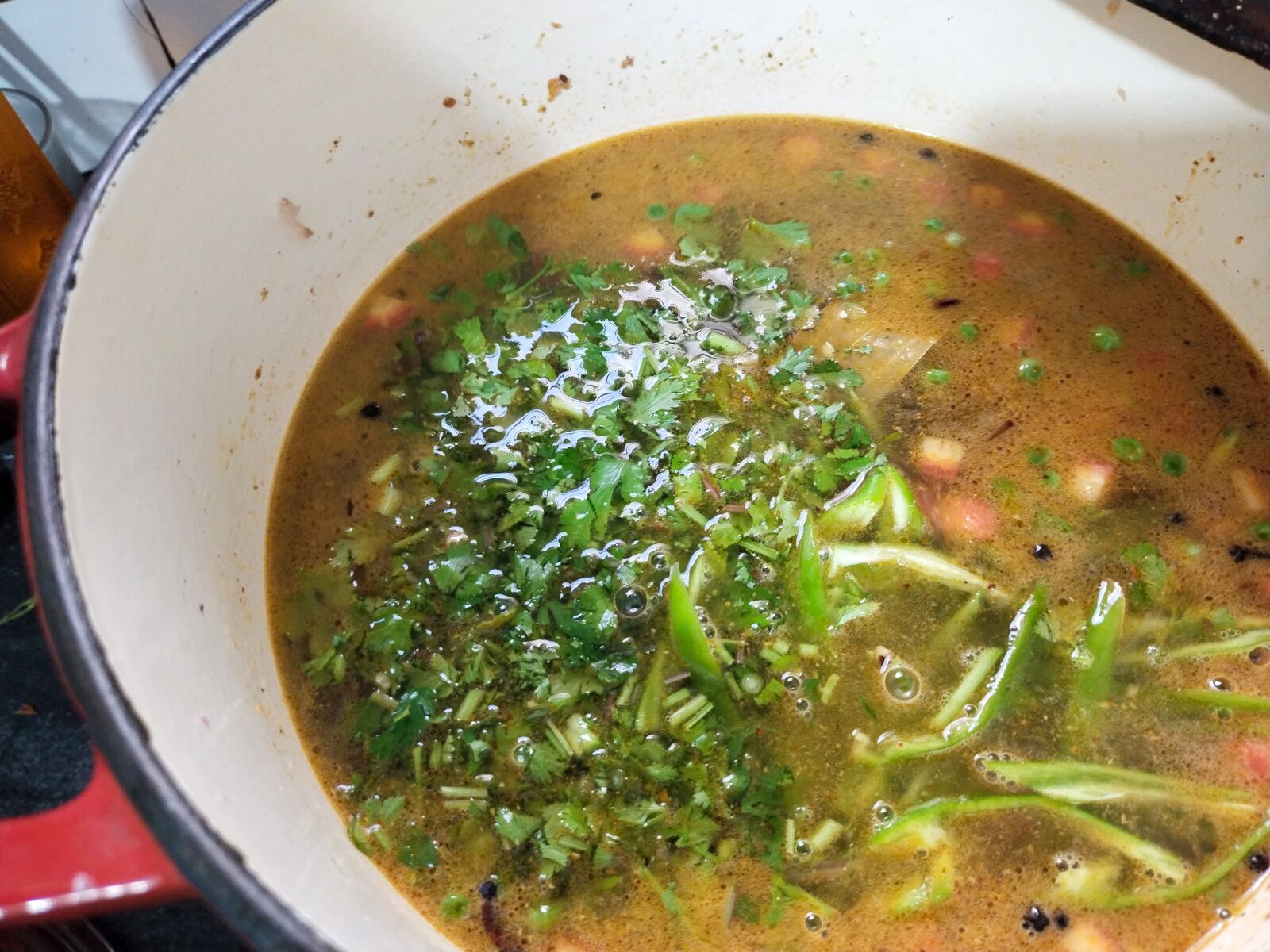
An intriguing, age old recipe, that I was introduced to when I was still a little kid. I still so vividly remember sitting next to him, crouched over the coal fire of a Sigdi (Chulha), to ward off the winter chills, while the Tahri handi bubbled on the coals. The spicy, luring flavours emanating from the handi matched the tales of the past that he would share with my keen, inquisitive ears. I so used to look forward to his annual visits.
I used the word “intriguing” to describe the dish because of a very peculiar reason. The modern exploratory tools available to the internet savvy cyber explorer enables him to gather a lot of information. When I started searching for the dish, Tahri, I found hundreds of references & recipes from the North Central India, mostly UP. And none from the North Western areas of the undivided India, from where my recipe supposedly originated from. Mamaji claimed that this was a traditional dish from their area (Tehsil Naharwal, District Sialkot), and he (and other kids grew up on it). Also, the modern day UP dish does not use Dal Badiyan, and even the dish consistency is more like pulao, as compared to the Khichdi dish that I am talking about.
If indeed it is a dish originating from the UP area, then it should be a matter of research for the food historians to trace its journey from central India to its north western extremes, and the re-emerging in a totally different avatar. And do remember, that we are talking about the times when inland travelling was not a norm as such.
For the uninitiated to the Punjabi Cuisine, Badi or Wadi are spiced & sun-dried dumplings made from ground lentils, mostly Urad. These can be used in jiffy to dish out a meal, when in a hurry… or short of any fresh vegetables. And they taste just so heavenly. Can be cooked alone, or in combination with a score of other vegetables. In the course of this blog journey, I’ll try and introduce you to some of them.