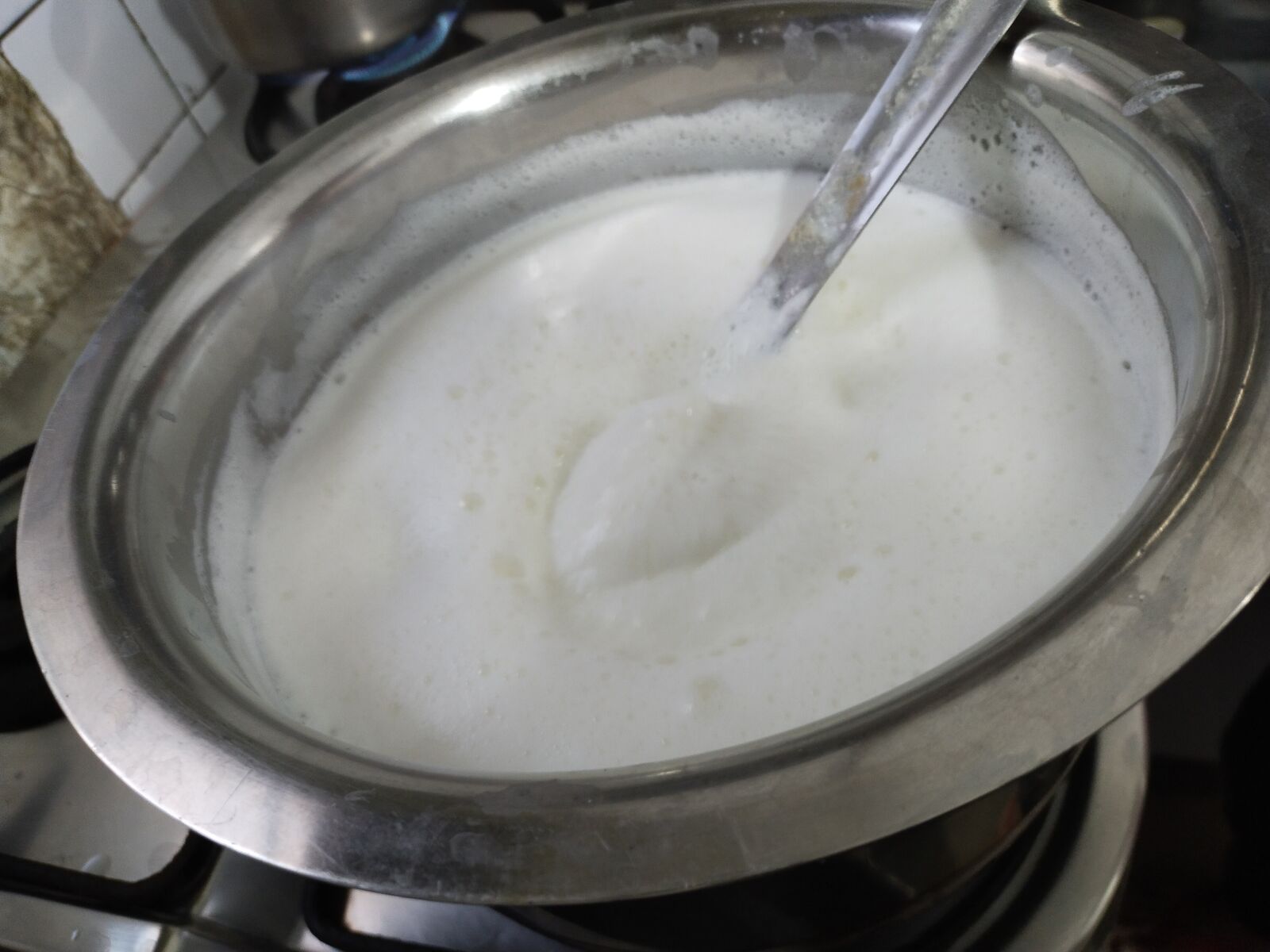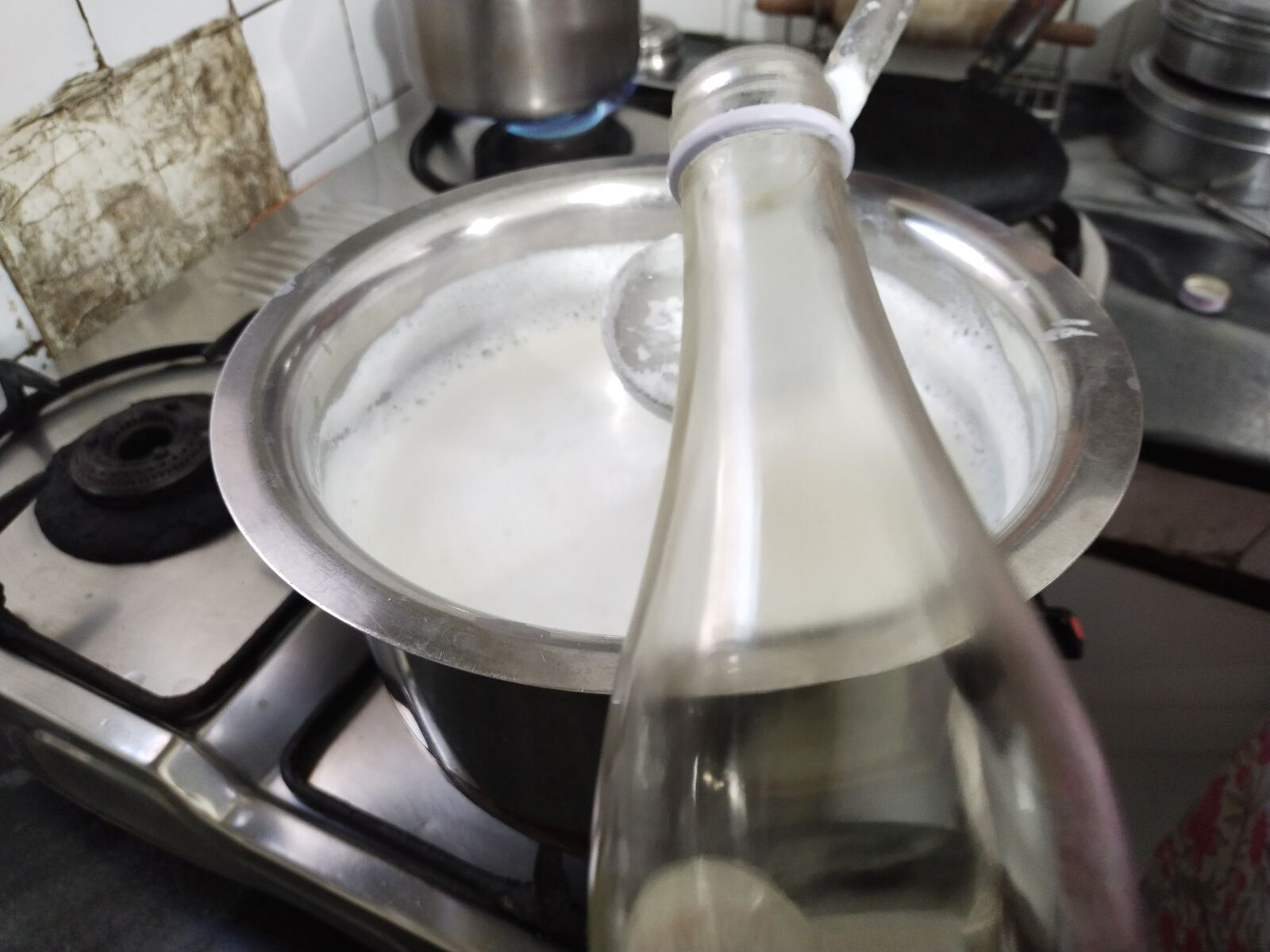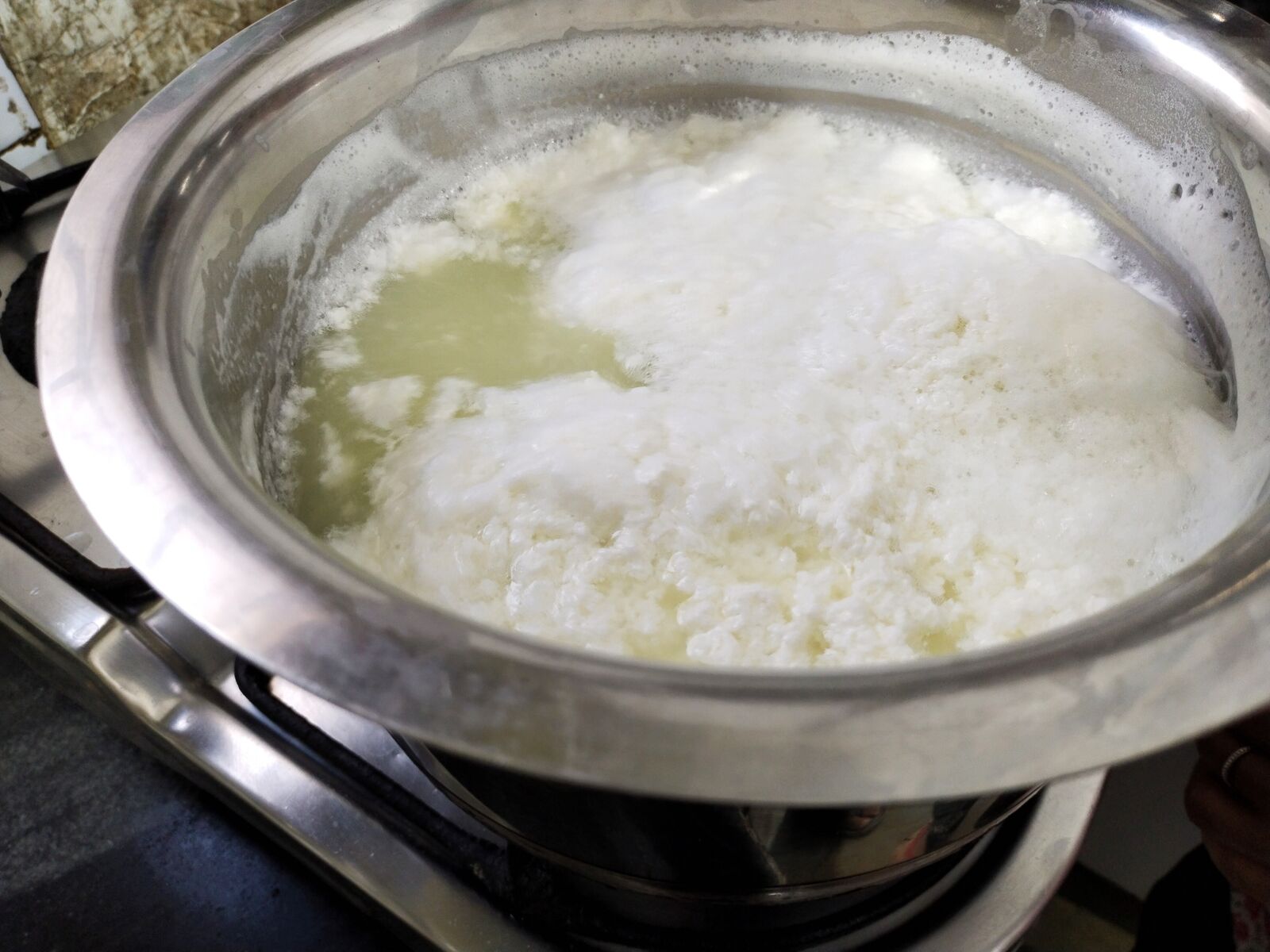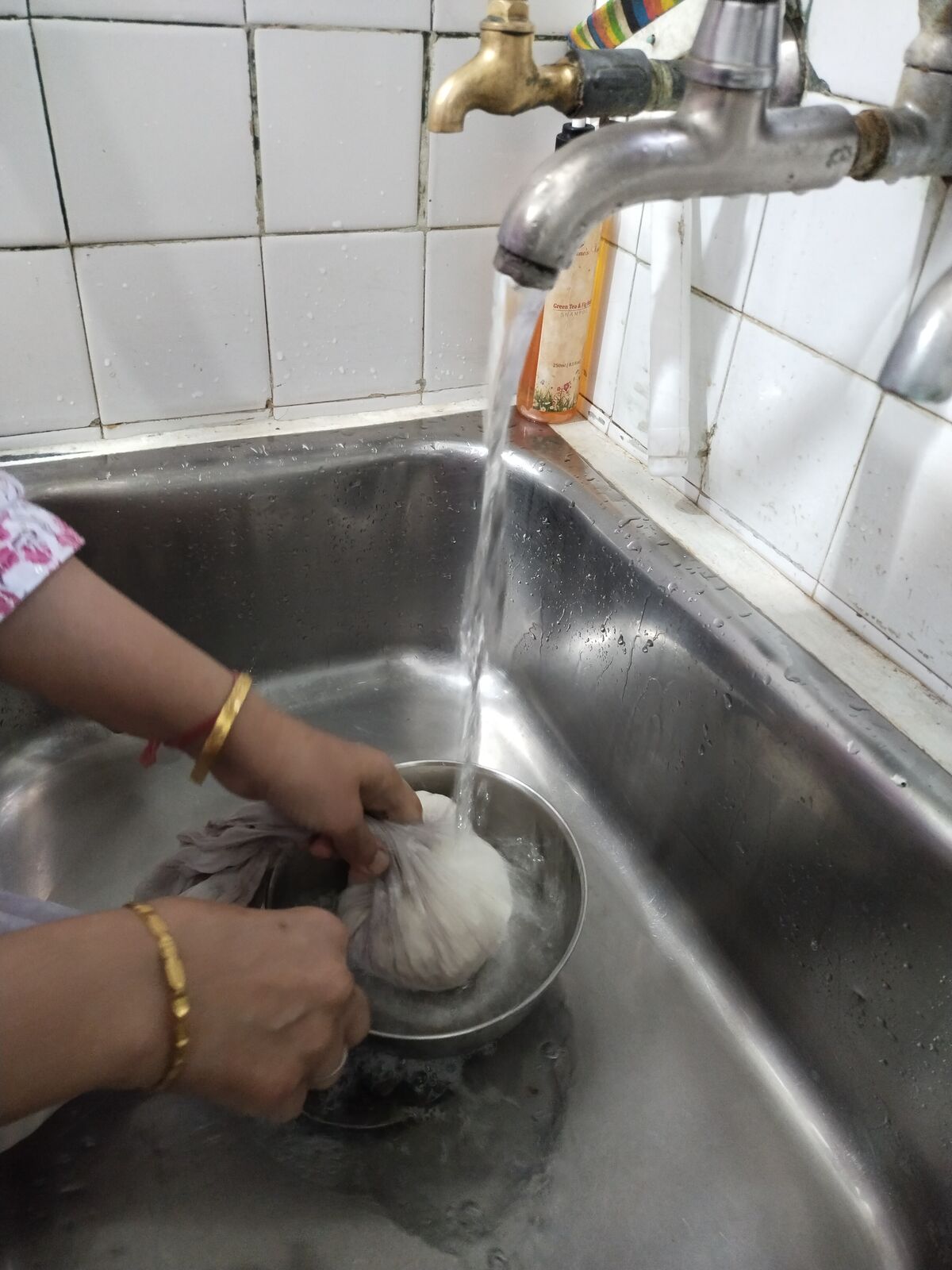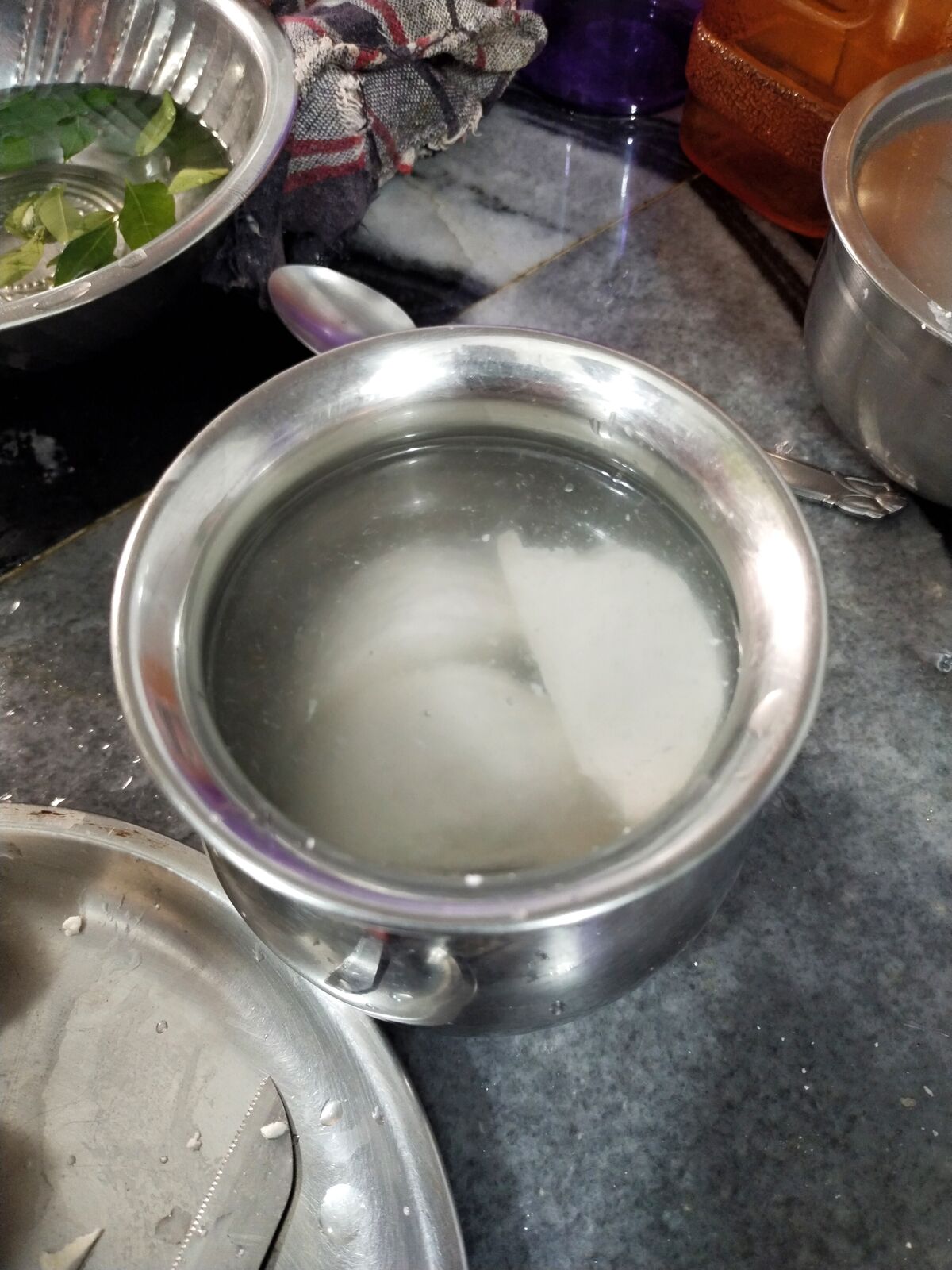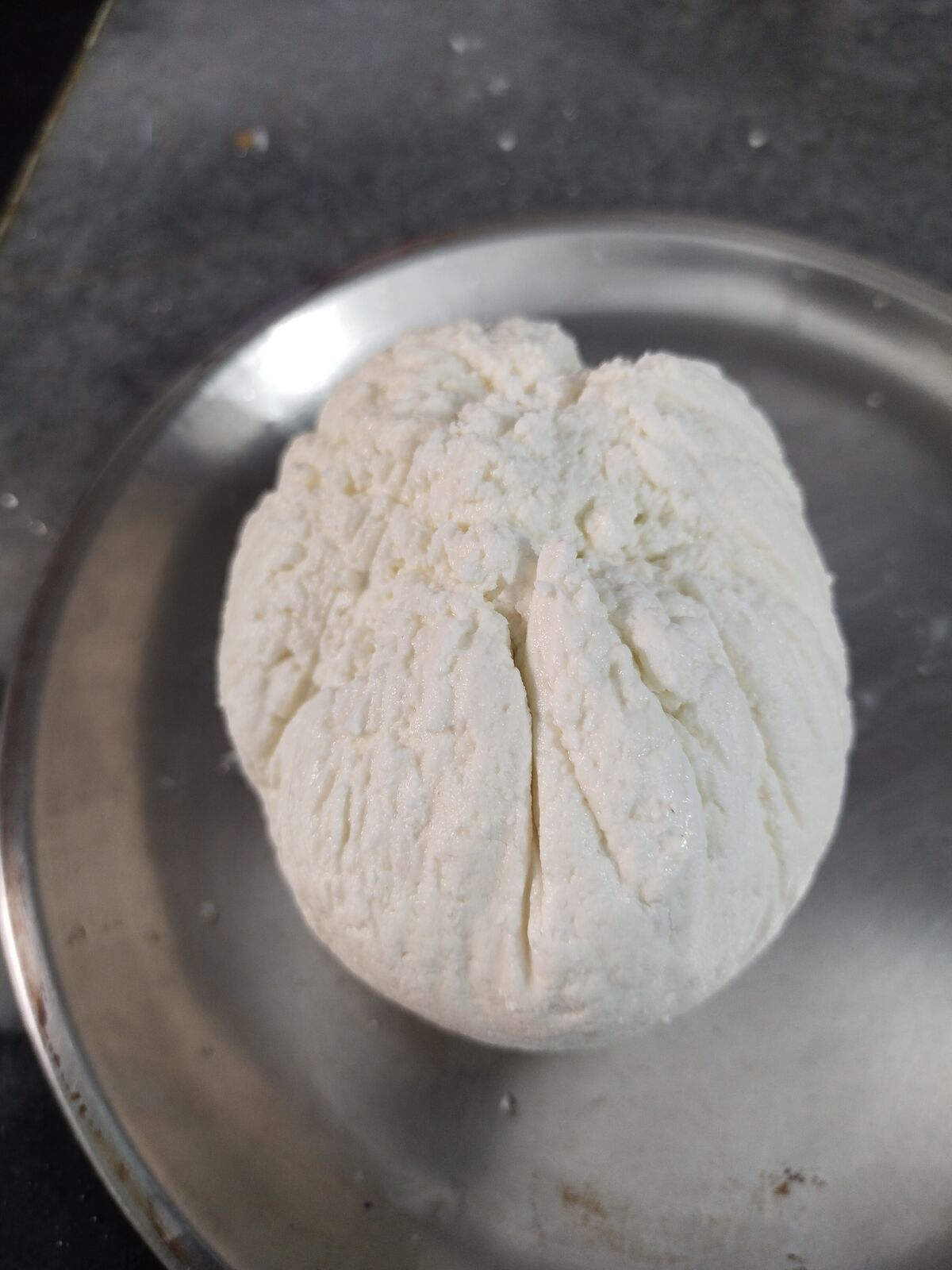
Paneer. Or the Indian Cottage Cheese. The quintessential food element in the North Indian Kitchens, as a very nutritious vegetarian substitute to all things carnivore 😊
Growing up in a family, where the home car garage was converted into a shed housing two heavy-milch cows (the car can be parked under a tree outside. Won’t complain…Ha Ha..)…an extreme surplus of milk was a blessing that we never realised then.
Milk, Butter, Butter-milk, Chachh, Ghee, Khoya, and Paneer were the staples that we were brought up on.
Paneer, or the Cottage Cheese (as referred to by the elite 😉 ) was ALWAYS present in the fridge to take care of the instant, unannounced, un-scheduled hunger pangs of a gaggle of hyper-active teens present in the house.
Paneer provided the flexibility of being consumed as it was, with salt & black pepper powder sprinkled on it. Or in a sandwich, with loads of tomato ketchup. If the kitchen was operational at the moment, instant Paneer Pakodas. The Paneer was also extensively used for meal time dishes…Paneer Quorma, Matar Paneer, Palak Paneer, Paneer Do Pyaja etc etc. Grated Paneer was made to make kheer. Grated & mashed paneer was used to make sweet, cardamom flavoured ladoos…
That Paneer, made from fresh, pure, full cream milk was wholesome, soft & delicious. A far cry from the Paneers generally available in the markets today, that are made from skimmed, low fat milk…resulting in dry, brittle & hard paneer, that tends to break up during the cooking.
So…? What to do..? Not everyone has the luxury of Holestein/Jersey cows tethered in their (car) sheds. Nor do we, any longer. Our cows were shifted back to the farm a long time ago. ( No longer feasible to have the luxury in the changing urban landscapes, heavily populated areas, and the demands of upscale urban gentry. A stray gust of wind can easily drown all the aromas emanating from the designer kitchens of the neighbourhood…and the latest perfumes worn by their proud owners…with the earthy, typical strong reminders from the cow shed 😊)
But we still DO MAKE our own Paneer. Admittedly, in not so much quantities as earlier. The new generation being extremely calory conscious 😊. But it is almost as soft and nutritious as the earlier times. It is really very easy to make, once you get the hang of it. And once you do, no commercial paneer will work you any longer…😊