My love affair with the spices, of all kinds, and the aromatic cooking they facilitate, goes back a long, long way.
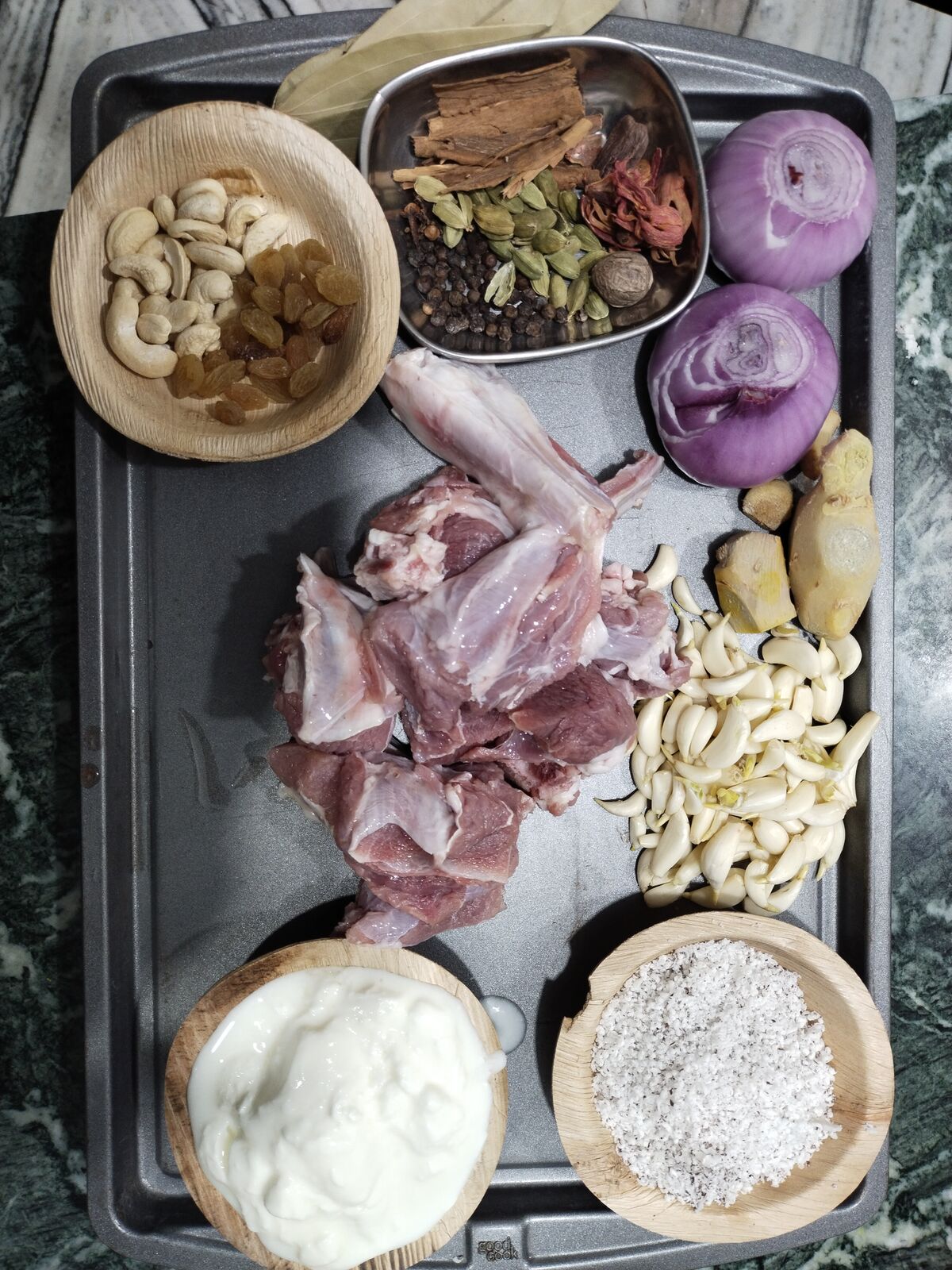
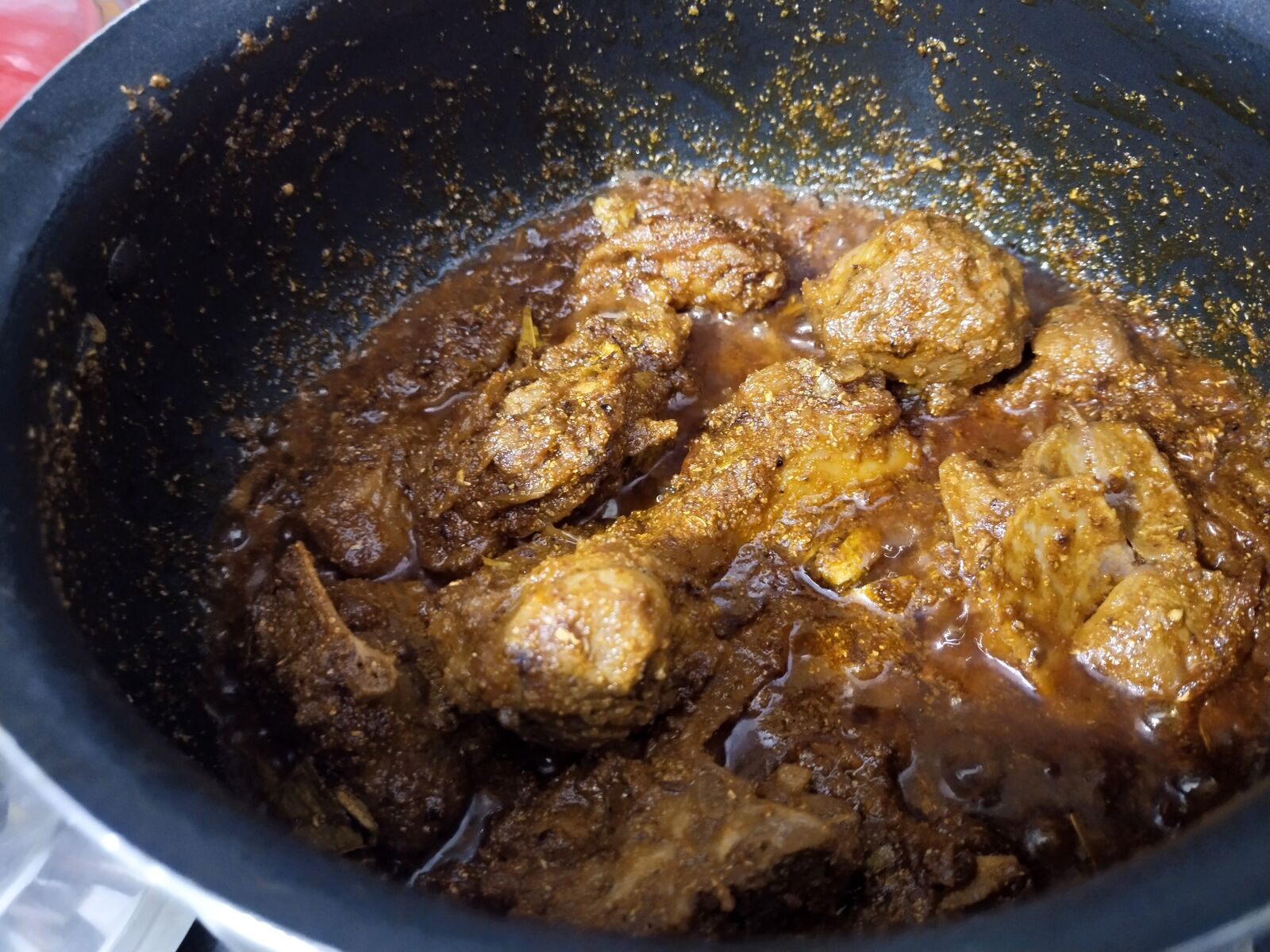
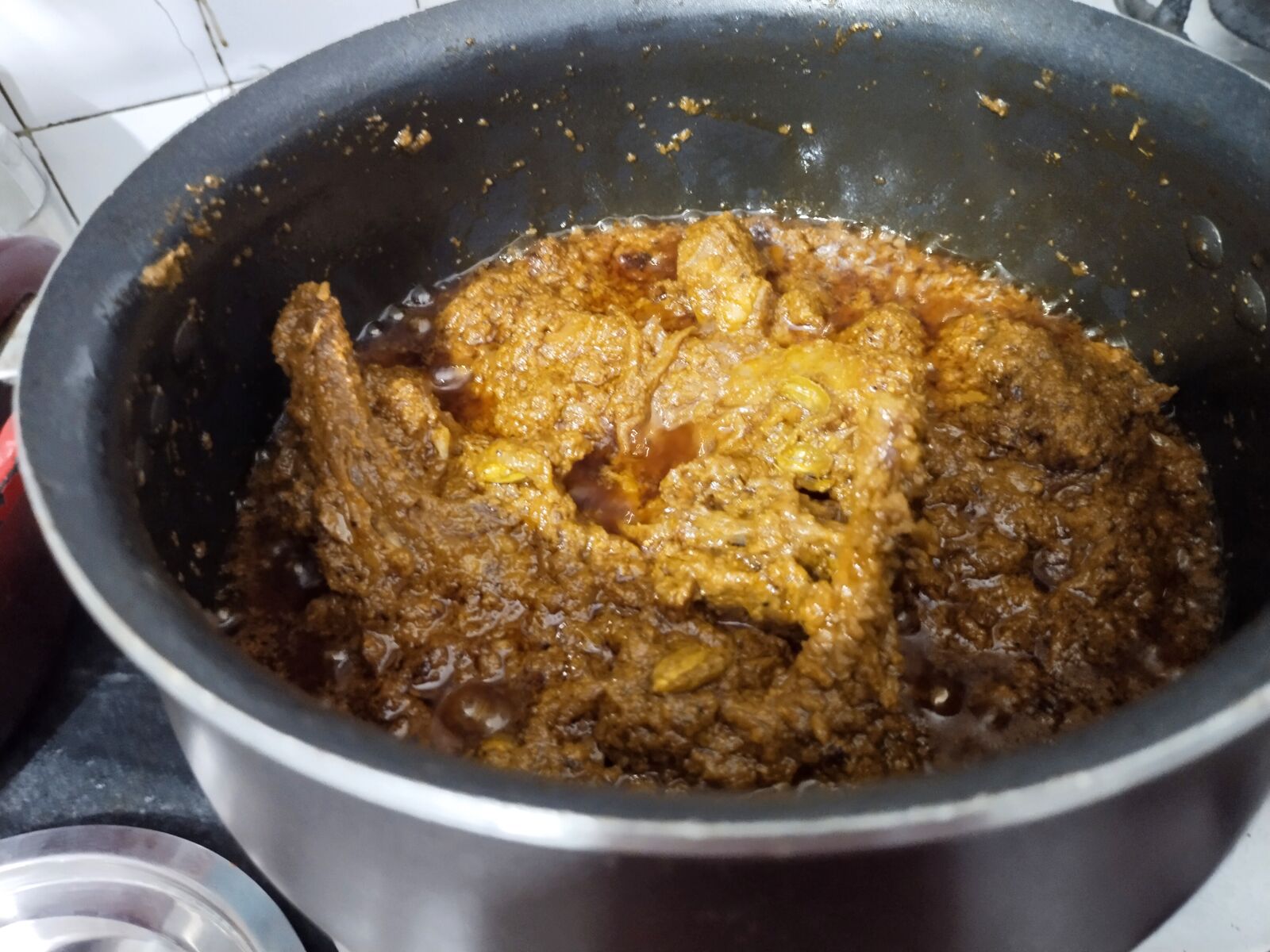
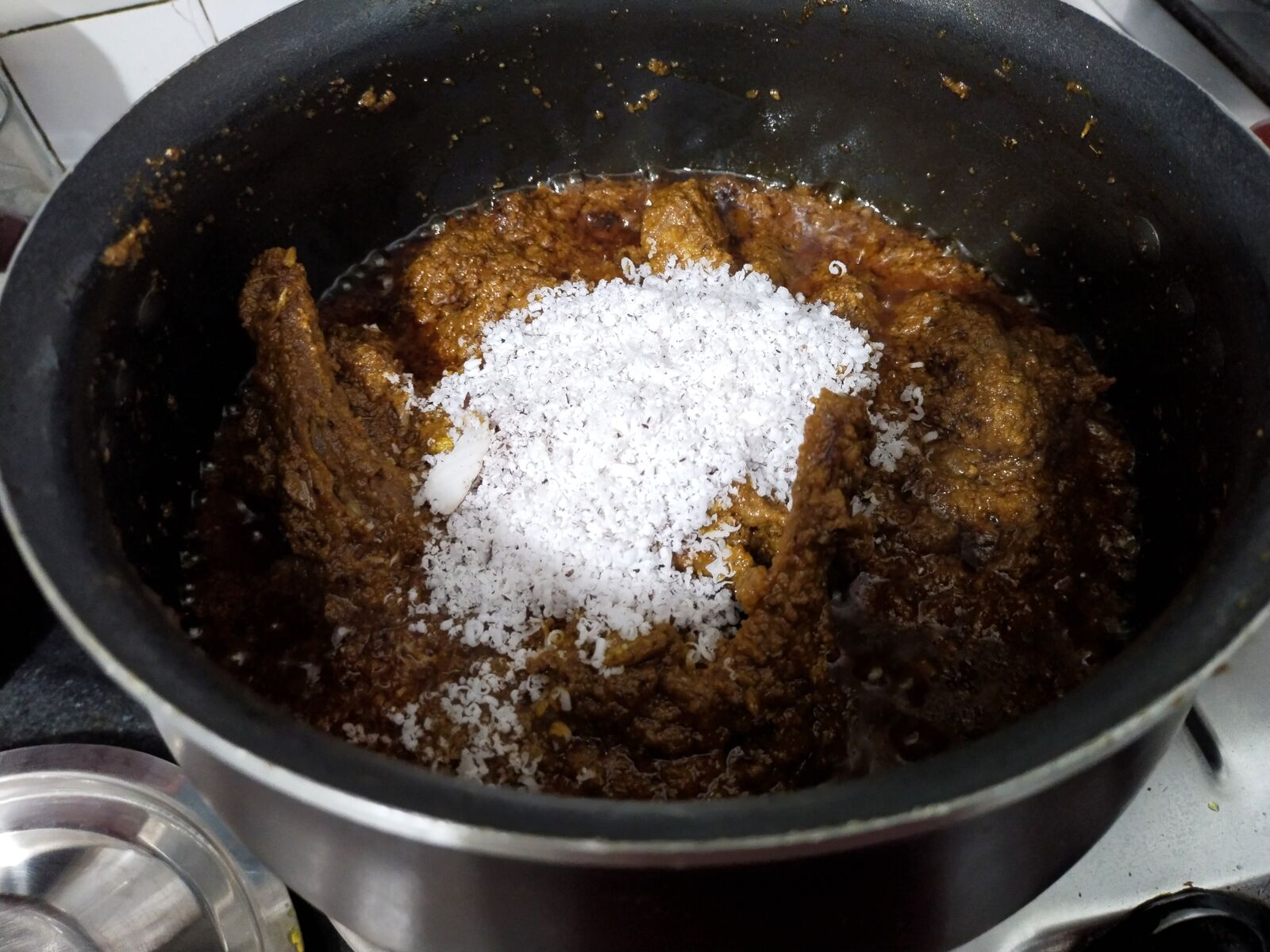
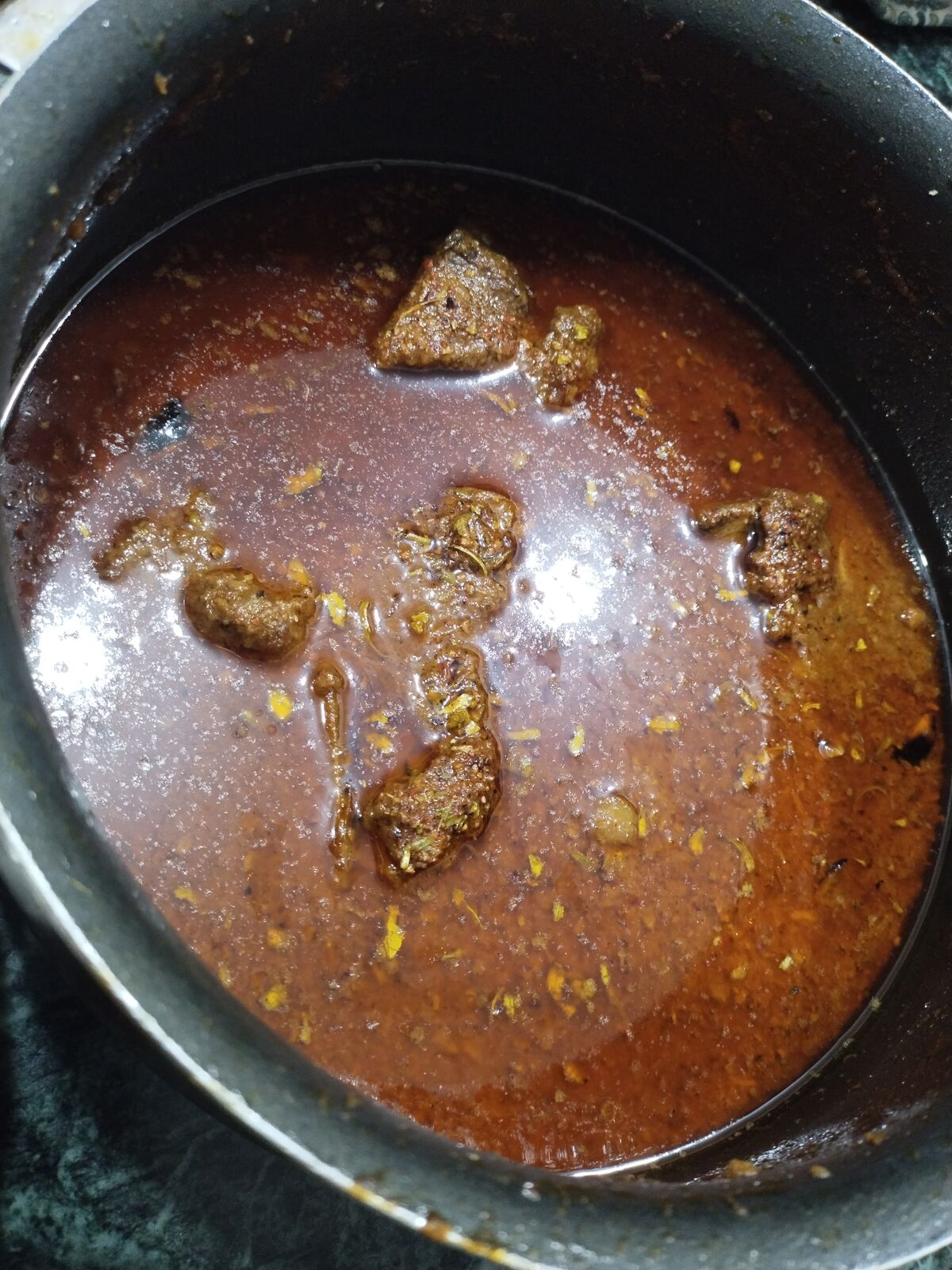
Mutton Quorma, one of the more flavourful & aromatic dishes of them all, has always fascinated me. Whenever, wherever I have eaten a satisfying version of this dish, I have tried to meet the cook, to compliment… and wangle out the recipe. ( You’ll be surprised how protective and secretive the cooks used to be of their recipes and techniques 😊… all this has, thankfully, changed with the advent of online medias)
This particular recipe was gleaned from a willing Chef (Ustad… I call him 😊), who used to operate from an eatery in the walled city area of Jaipur. Catering to a knowledgeable & discerning patronship, the quality of the mutton, raw materials & the final dish is very strictly monitored at such places; mostly because the owner of the eatery, and almost all the patrons are locals and come from the same locality…and friends, relatives & neighbours can be unforgiving in their critical opinions. We all know that 😊
I had a chance to eat at this place over two decades back (’99, I think). I, as usual, decided to chat up with the Ustad…and he was more than forthcoming with the recipe. Even offered a live demo if I was interested. I was… 😊
In fact we did that more than a few times. Once at my place as well. Every single time it tasted as good as the first time.
One of the very few Quorma recipes I have come across which doesn’t use Saffron & Kewra water for the flavours … & still have heavenly aromas.
There was one glitch though… Ustad insisted on using only Hydrogenated Vegetable Oil as the cooking medium (Brings out the best of the flavours from the spices & meat, he argued). I, on the other hand, had been brought up thinking of this as an unhealthy way to cook food. Our family cooking mediums consisted of Mustard oil & Desi Ghee (both home/farm productions) and, rarely, groundnut oil, when frying had to be done. The modern era Sunflower, Safflower, Canola, Soya, corn refined oils still had to make a visible appearance in the Indian markets.
Anyhow, I continued enjoying this recipe, without using the hydrogenated vanaspati ghee (have been using other refined oils available in the market, and occasionally desi ghee as well). What Ustad claimed was true to a small extent. The flavours were not as forthcoming with the other oils (some flavours enhancing qualities of hydrogenated oils that we do not know about?), but there was less guilt involved in consuming the dish…😊
For those of you who are adventurous enough, or at least want to see the difference first hand, feel free to substitute the oil with the Vanaspati ghee in the recipe…
(P.S.: In all of my mutton recipes, I try and scale down the recipe for ½ kg of meat. This is to enable all of you wanting to try it out, a little easier to follow & experiment)